Find Your Power Users: A Lifecycle Marketing Guide
Power users stay longer, spend more, and advocate for you. Here’s how to find them, guide more customers toward them, and keep your VIPs loyal.
Rex Pham··2 min read
Most lifecycle programs I audit have a blind spot, and it’s sitting at the very top of the customer base.
What is a power user?
Every customer is important (to a certain degree), but your “power users” are the S-tier VIPs. They stay longer, spend more, have the highest LTV, and advocate for your business. They’re like the overachievers in school your parents wanted you to be. For your business, you hope your entire customer base becomes power users.
When it comes to building lifecycle strategies, I constantly emphasize this concept.
Start with the 80/20
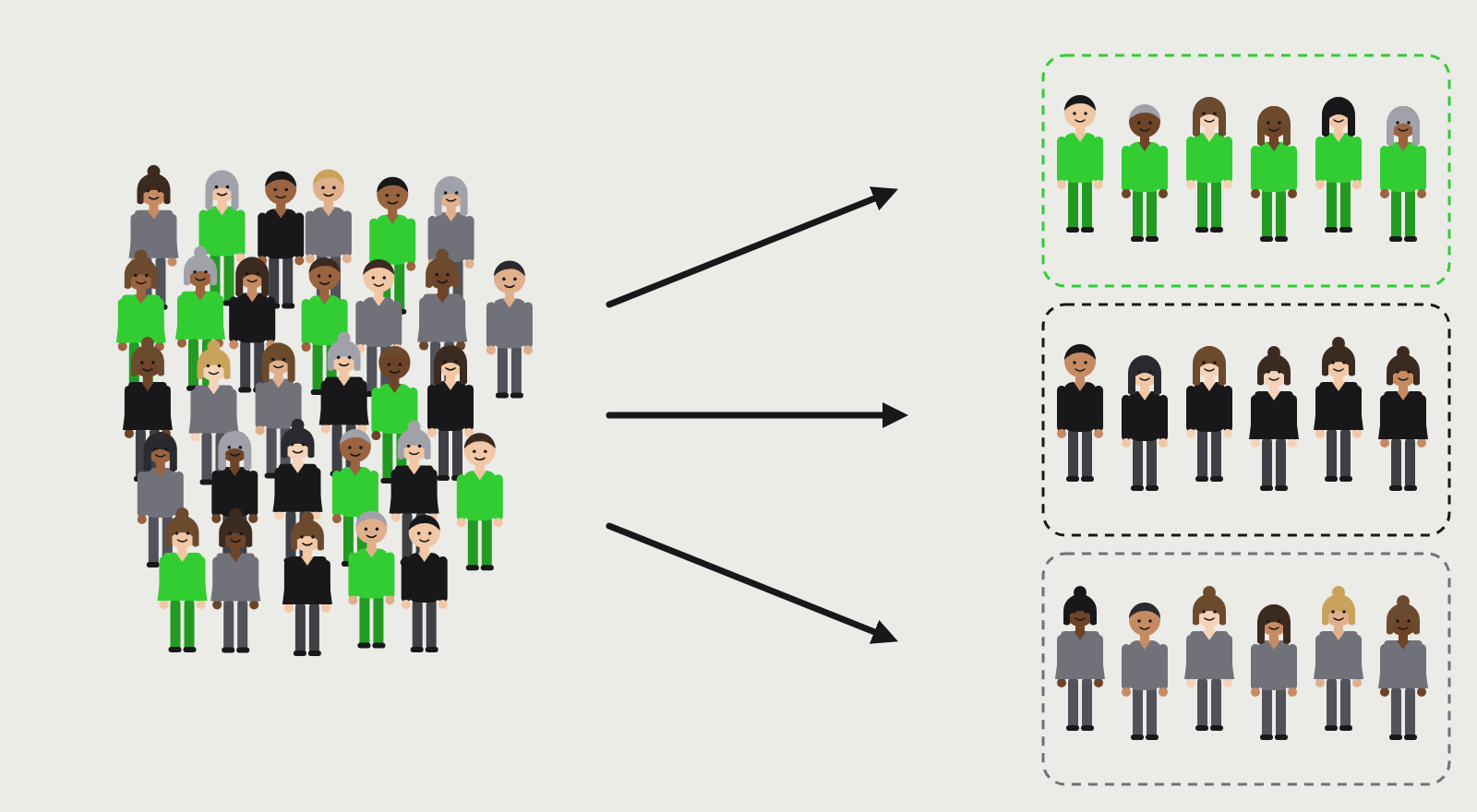
In most businesses, a small group of customers drives most of the revenue. At Uber Eats, our Power Eaters were about 20% of active users but drove over 80% of sales. So the first step is to segment your customer base and pull the list of your top customers by frequency, spend, or engagement.
The list is only the starting point. The real work is understanding who is on it: their needs, wants, problems, motivations, and the behaviors tied to your product or service. What did they do early on that other users didn’t? What made them stick around? What value are they trying to get out of your business?
That answer creates a roadmap. Reverse engineer it, and you can build customer journeys that guide people toward that power status.
Be realistic about who makes it
The vast majority of your customers will never hit that S-tier, no matter how many emails, pushes, and in-app messages you throw at them.
Power users usually fall into two camps: they arrive with high intent and need little convincing, or a mental switch flips, and they decide your product is the greatest thing ever created and they need it in their lives. You can’t schedule that moment.
But the journey is still worth building, because along the way you’re influencing the rest of the customer base in productive ways:
- Introducing product value to drive adoption or usage
- Nudging high-value actions that lead to greater retention or average spend
- Building a consistent habit with your product that keeps customers coming back
The biggest miss: ignoring the VIPs
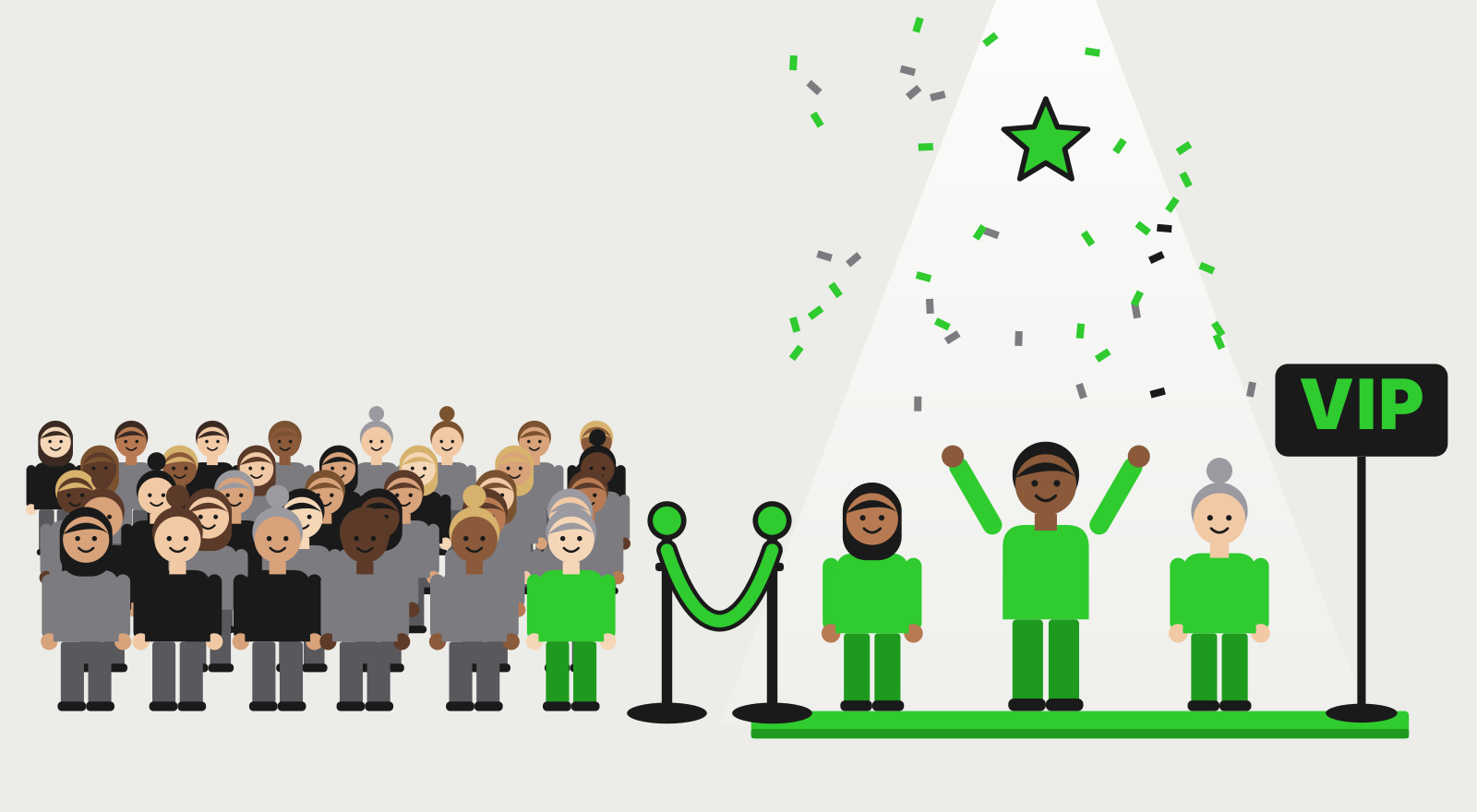
A gap I see often is that once a customer reaches VIP status, the lifecycle program’s job is done. The thinking goes: power users don’t need marketing, so what’s left to influence?
That’s partially right. They don’t need reminders, constant engagement, or promotional incentives. But they still deserve to be celebrated. Acknowledge their milestones. Remember their birthdays. Send a surprise and delight they didn’t ask for. Recognition is how you protect the positive sentiment that made them a power user in the first place. The yearly Spotify Wrapped campaign is wildly successful, and every type of business is launching loyalty programs for the same reason.
The takeaway
A great lifecycle program does two jobs at once: it nurtures casual users toward power user behavior, and it keeps the relationship strong with the power users you already have. Find the 20%, learn what makes them tick, build the path for everyone else, and never let your best customers feel like an afterthought.
So who are your power users, and when did you last do something just for them?
Need help building a lifecycle strategy that creates power users? Reach out.