Customer Onboarding Is the Start of a Beautiful Relationship
Most welcome emails just say thanks. Here’s how a customer onboarding journey turns new signups into active, retained customers.
Rex Pham··2 min read

When I audit startup lifecycle strategies, I see the same weakness right away. Most welcome flows (if they go beyond the default welcome email at all) are a thank-you note for a signup or purchase the customer has already made. “Welcome!” “Here’s our app.” “Thanks for buying.” I’ve always considered the welcome and onboarding journey one of the most critical tactics in the lifecycle playbook, and it’s still one of the most underinvested.
Why onboarding is your best opening
I tell brands this is the best moment to showcase product value, nudge a high-value action, and kick off a meaningful relationship. It’s like getting someone’s number or IG handle at the bar. You’ve got the opening, so put your best self forward.
Start with the outcome, then map the journey
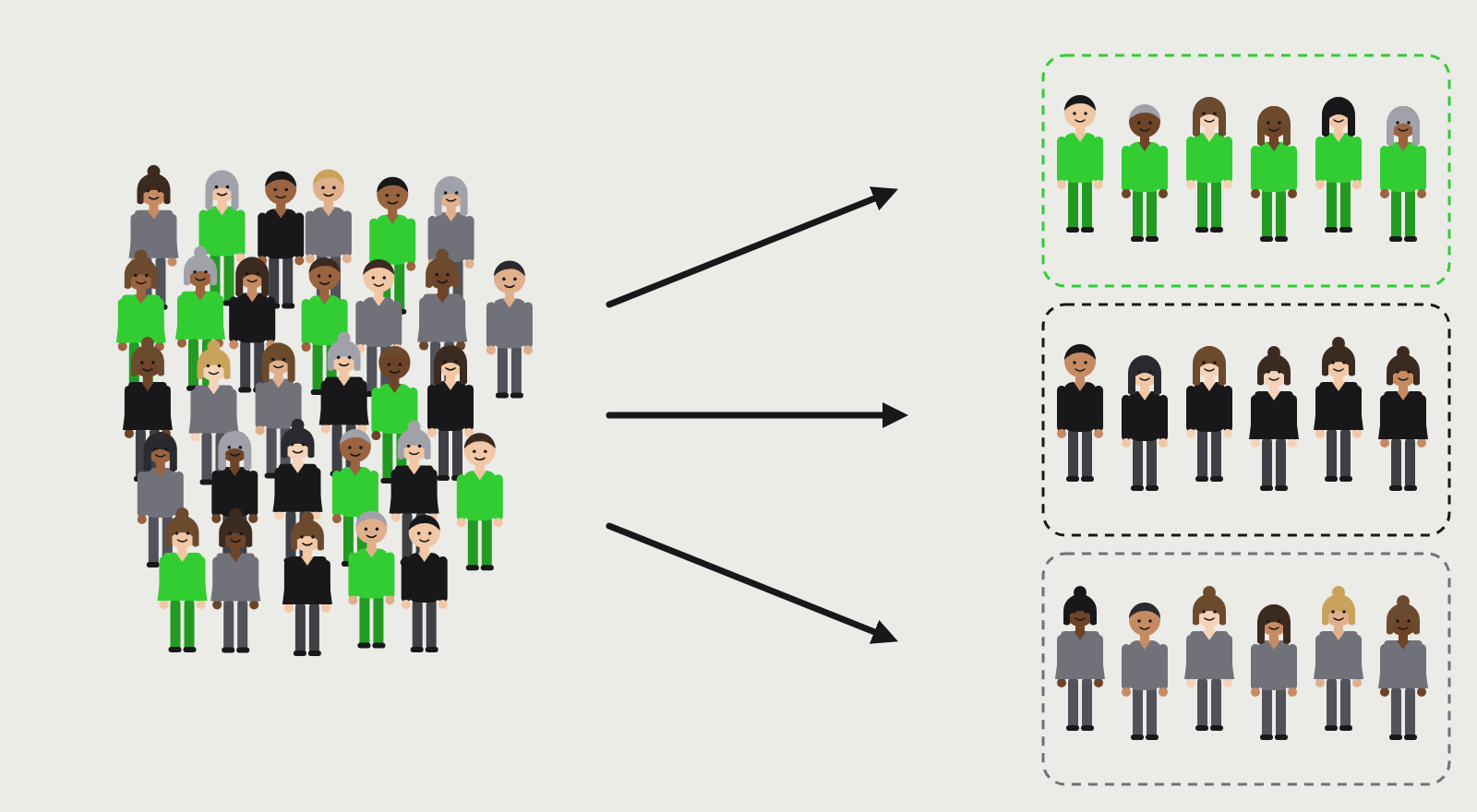
Effective onboarding starts with an intended outcome, whether that’s a first purchase or feature adoption, and it usually ladders up to retention. Companies spend a lot to acquire new users, and onboarding is what makes that spend efficient. Every new user coming through the door should hit that “aha!” moment and realize they need your brand in their lives. From there, build your messaging to guide them there, like a treasure map.
What a strong onboarding journey includes
- One intended outcome, such as a first purchase or a key feature used.
- A clear path to the “aha!” moment, with one job for each message.
- Messages triggered by what each new user has or hasn’t done yet, not a fixed calendar.
- A success measure tied to retention, such as first month retention.
At Jackpocket, guiding new registrants to their first in-app purchase activated 50% of them into paying customers, with 55% first month retention.
The takeaway
Customer onboarding is the journey where acquisition spend either pays off or leaks away. Define the one action that predicts retention, guide every new user to it, and the rest of the lifecycle gets easier.
I’ve audited a lot of lifecycle programs, and the welcome series is usually the first place I find the gap between what the brand sends and what the customer needs. (It’s also the easiest one to fix.) If you want a second set of eyes on yours, let’s chat.