Don’t Skimp on Customer Segmentation in Lifecycle Marketing
Customer segmentation is the most important concept in lifecycle marketing. Here’s why it matters and how to apply it to your journeys.
Rex Pham··2 min read
Great lifecycle marketing is rooted in customer insight. I always preach that thoughtful segmentation is what separates an impactful lifecycle strategy that drives revenue from one that’s irrelevant and annoying.
What is customer segmentation?
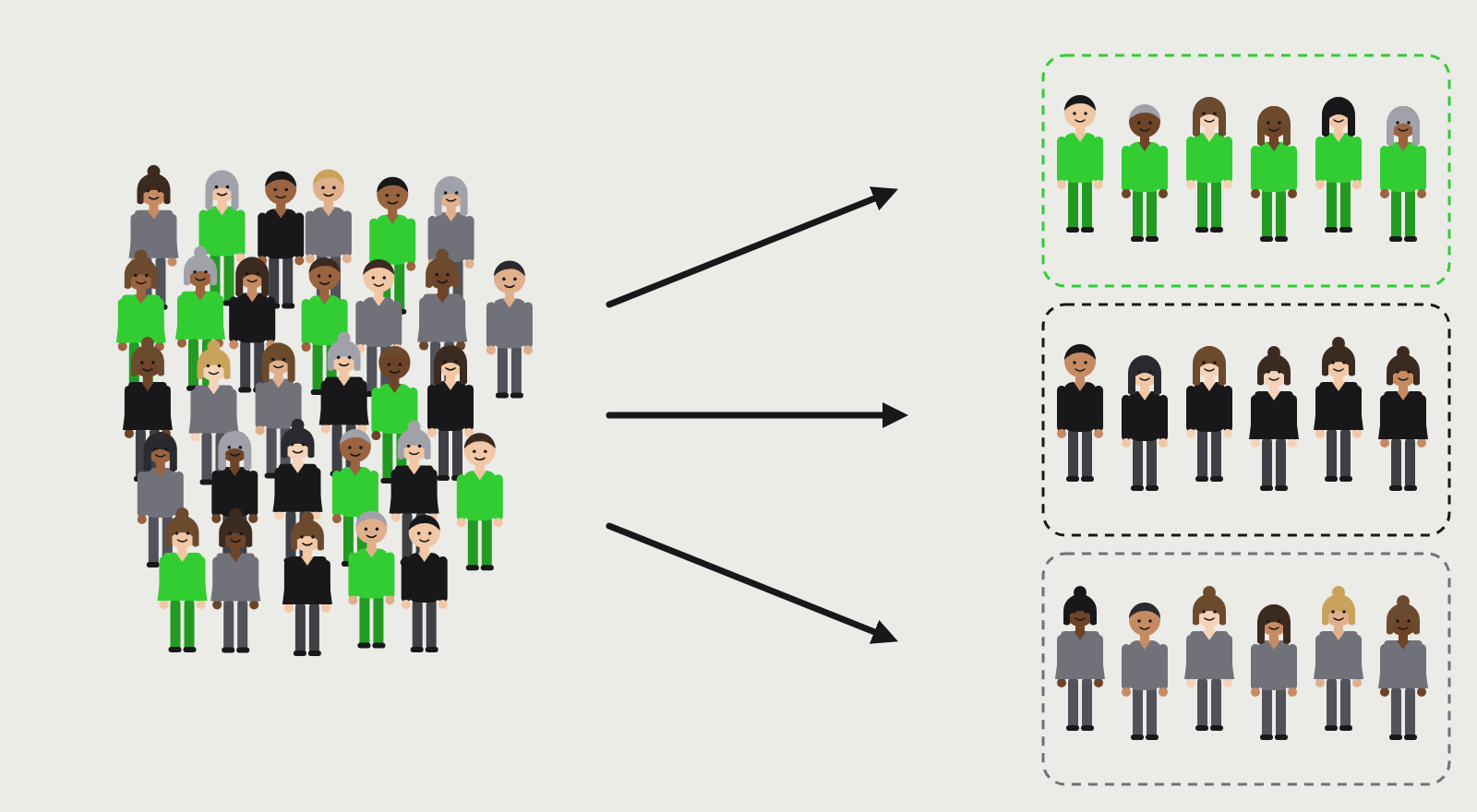
Segmentation is when you slice your customer base into smaller audiences based on common traits, so you can send the right message to the right person at the right time.
You shouldn’t treat all your users the same. A brand new user is at a different stage than a former customer who now thinks your product is overpriced. It’s ineffective to recommend Italian restaurants to someone who only eats Thai. You’ll struggle to convince a horror fan to watch a rom-com. And you’re not going to sell baby clothes to someone without a kid.
Segmentation runs on customer data
As important as this is, it’s surprising how often I see companies that don’t feed their lifecycle strategies with quality customer data. I was talking to a fintech startup trying to improve new loan acceptances. After a user’s loan was approved, they got daily emails urging them to accept, but after a while the same old messaging went stale and lost its influence. Imagine if they’d collected more info during signup (e.g., why do you need a loan?). That would have unlocked more personalized messaging and storytelling to help seal the deal. My tip: collect as much information from your customers as you can, because it will level up your marketing.
How to apply segmentation to your lifecycle program
So how do you apply this to your lifecycle marketing program? It touches everything:
- Are you building distinct journeys that guide users at different lifecycle stages toward specific outcomes?
- Are you using themes and narratives when speaking to different cohorts?
- Are you setting the right KPIs and goals for each one?
At Uber Eats, I used SQL to split Southern California customers into six lifecycle segments, each with its own journeys and goals. That framework supported $20M+ in average monthly sales.
The takeaway
Customer segmentation is the foundation of lifecycle marketing. Group customers by lifecycle stage and behavior, collect the data that tells you why they’re here, and give each segment its own journey, message, and goal.
So what do you know about your customers? If you’re not sure, let’s talk.